The SKILSAW SPT99-12 is worth it if you rip a lot of plywood and thick lumber on a jobsite and want a saw with real muscle behind the blade. It’s a 10 in., 15 amp corded worm drive table saw that comes with a stand, so you’re plugging into a wall outlet and setting up on site [1]. For a closer look, read SKILSAW 8 1/4 Inch Worm Drive Table Saw: Is It a Good Starter Saw?
The worm drive power train is the reason to pick this saw. It’s built for torque, so the blade keeps cutting through dense or thick stock where a lighter saw can bog down [2]. That makes it a strong fit for framers, remodelers and serious DIYers who make long, heavy rip cuts.
Below you’ll find what worm drive means on a table saw, the key specs, where this saw does well, where it falls short, and how it compares with its sibling model.
What does worm drive mean on a table saw
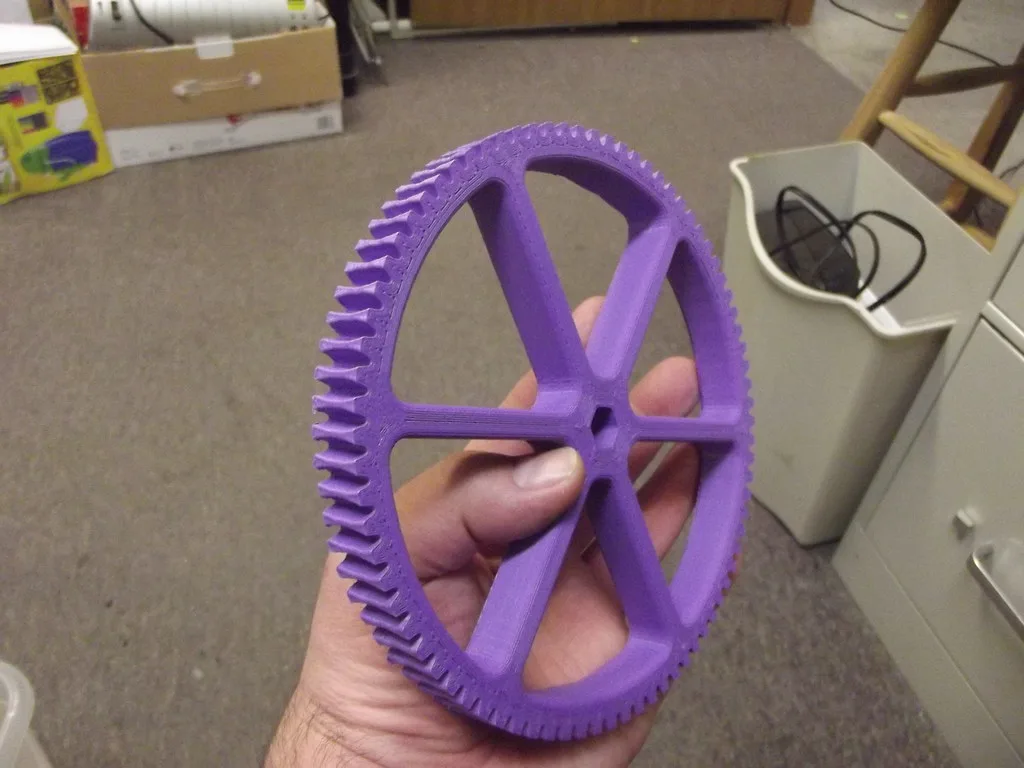
A worm drive is a gear setup that turns the motor’s spin into slower, stronger turning force at the blade. On most portable table saws, the motor drives the blade directly or through a belt. A worm drive routes power through a spiral “worm” gear that meshes with a larger gear at a right angle, so the blade gives up some speed and gains torque.
How the gearing works
Picture riding a bicycle in a low gear. Your legs spin the pedals easily, the bike moves slower, and climbing a hill takes less strain. Worm gearing works on the same idea: the motor runs fast, the gear reduction slows the arbor, and the blade pushes harder through each cut.
Torque is the twisting force that keeps the blade turning when the wood resists it. SKILSAW describes the SPT99-12’s worm drive power train as delivering superior torque. [2] For you, that means the blade is less likely to bog down or slow sharply when you feed it into dense or thick material.
Where you feel the difference
Torque matters most on long, heavy rip cuts, where the blade stays buried in the wood for the full length of the board. SKILSAW pitches the saw for tearing through plywood and similar stock. [2] Two jobs show it well:
Ripping a full 4×8 sheet of 3/4 in. plywood into cabinet sides or shelving strips
Ripping thick framing lumber, such as cutting down wet or dense 2x stock for blocking
On a lighter direct-drive saw, these cuts can make the motor strain, and you may have to slow your feed rate to keep the blade from stalling. Extra torque lets you hold a steadier pace, which also tends to give a cleaner edge with fewer burn marks.
Why it’s rare on portable saws
Worm drive gearing is common on handheld circular saws, especially the framing saws SKILSAW is known for, but most compact jobsite table saws use direct-drive motors. SKILSAW calls its worm drive power train “legendary,” and it carries that design over to its table saw line, including the closely related SPT99-11. [3] If you already trust a worm drive circular saw for framing, this saw brings that same drive style to a table saw you can roll onto a job.
Key specs at a glance
The SPT99-12 runs on standard 120 VAC household power, spins a 10 in. blade and handles boards up to 3-5/8 in. thick, which covers most framing and sheet-goods work. [2] The table below pulls the core numbers together so you can match them against your projects.
Spec | SPT99-12 value | What it means for you |
|---|---|---|
Power | 120 VAC, 15 A | Plugs into a regular outlet |
Blade diameter | 10 in. | Uses the most common table saw blade size |
Arbor | 5/8 in. | Fits standard 10 in. blades sold in U.S. stores |
Depth of cut | 3-5/8 in. | Clears 2x and 3x lumber in one pass |
Rip capacity | 30-1/2 in. | Rips past the center of a 48 in. wide sheet |
In the box | Stand and Diablo blade | Ready to cut on day one |
Power and blade
The motor is a 15 A corded unit that runs on 120 VAC. [2] In practice, that is the same plug you use for a shop vac or a circular saw, so you don’t need a special 240 V circuit.
The saw takes a 10 in. blade on a 5/8 in. arbor. [2] The arbor is the shaft the blade mounts on. A 5/8 in. arbor with a 10 in. blade is the common pairing, so replacement blades from most brands at a hardware store will fit.
Cutting capacity
You get a 3-5/8 in. depth of cut and a 30-1/2 in. rip capacity. [2] Depth of cut is how thick a board the blade can pass through in one go. For example, a standard 2×10 is 1-1/2 in. thick, so it leaves plenty of room to spare.
Rip capacity is the widest cut you can make between the blade and the fence. At 30-1/2 in., you can split a 4×8 sheet of plywood down the middle lengthwise, or cut a 24 in. cabinet side with room left over.
What ships with it
This model comes with a stand and a Diablo blade. [1] The stand saves you from building a base or buying one separately, and the Diablo blade means you can start cutting without an extra blade purchase.
Overall, the specs put the SPT99-12 squarely in full-size jobsite territory: ordinary household power, a standard blade size and enough rip width for full sheets. The bundled stand and blade are what set this particular listing apart.
Where the SPT99-12 shines
The SPT99-12 is at its best when you need to break down big sheet goods or rip thick lumber in one pass. Its 30-1/2 in. rip capacity and 3-5/8 in. depth of cut cover two jobs that many portable saws struggle with. [2]
Ripping full plywood sheets
With 30-1/2 in. of rip capacity to the right of the blade, you can cut a standard 4 x 8 ft sheet of plywood down the middle and still have room to spare. [2] A 24 in. wide cabinet side or a 30 in. shelf panel fits between the blade and the fence, so you don’t need a track saw or a helper with a circular saw to get there.
This matters most on remodels and built-ins. You can stack a few sheets of 3/4 in. plywood next to the saw and rip them into countertop substrates, subfloor strips or closet shelving right where you’re working. For long sheets, set up an outfeed support or a second sawhorse so the panel doesn’t tip off the back of the table.
Cutting 4x stock
The 3-5/8 in. depth of cut lets you rip through a 4×4 or 4×6 in a single pass. [3] A nominal 4x post measures 3-1/2 in. thick, so the blade clears it with a little margin. On saws with a shallower cut, you would have to flip the board and cut from both sides, which often leaves a step in the middle.
Practical examples include trimming deck posts to width, ripping beveled edges on landscape timbers or cutting down a 4×6 for a pergola beam. Feed thick stock slowly and steadily, and let the saw’s torque do the work instead of pushing hard.
What buyers say
The SPT99-12 listing holds a 4.6 rating from 798 buyers. [1] That’s a large enough group to suggest most owners are happy with it after real use, not just a handful of early reviews. Read a few of the lower-rated reviews too, since they tend to point out the trade-offs that matter for your own projects.
What are its limitations
The SPT99-12 trades some convenience and finesse for raw ripping power, and you should know where those trade-offs show up before you buy. The biggest ones are power, precision expectations and weight.
Corded power and a 15 A circuit
This saw runs on a 120 VAC, 15 A motor, so it needs a wall outlet or generator every time you use it. [2] There is no battery version of this model, which matters if you work on sites where power isn’t hooked up yet. For more detail, see What Battery Size Do You Need for Heavy-Duty Cordless Saw Work?
A 15 A motor pulls close to the full capacity of a standard household 15 A circuit. In practice, plug it into a circuit that isn’t also running a shop vac, compressor or space heater. Sharing the circuit is a common reason a breaker trips in the middle of a rip.
If you need an extension cord, use a short, heavy-gauge one rated for the load. A long, thin cord drops voltage, and the motor bogs down when you feed thick stock.
Built for the jobsite, not the furniture shop
The SPT99-12 is a portable jobsite saw with a folding stand. It is made to be set up, knocked down and hauled in a truck bed. That design is great for framing, decks, subfloors and remodel work, where a cut within a fraction of an inch is plenty.
It is a poor substitute for a cabinet saw if you build fine furniture. Cabinet saws have heavy cast-iron tops, larger tables and more mass to damp vibration. Those features help when you cut joinery, glue-ready edges or many identical parts. A jobsite saw’s lighter table and fence can work for that, but you’ll spend more time tuning and checking.
Worm drive gearing adds weight
The worm drive power train is what gives this saw its torque. [2] The gears that turn the motor’s power 90 degrees and multiply its force are bulkier than the simple setup in a direct-drive saw, where the blade sits right on the motor shaft.
That extra hardware makes the saw heavier to carry than many direct-drive jobsite saws. If you’ll be lifting it in and out of a vehicle by yourself several times a day, factor that weight into your choice. On a stand that stays put, it’s far less of an issue.
How does the SPT99-12 differ from the SPT99-11
The SPT99-12 and SPT99-11 are the same worm drive table saw sold in two packages, and the difference that shows up in the box is the blade. Both are 10 in. heavy-duty worm drive saws with a stand. [1] [3]
What stays the same
The cutting hardware is shared, so a choice between the two models never costs you capacity. SKILSAW lists the SPT99-11 with its Worm Drive power train, a 3-5/8 in. depth of cut and a 30-1/2 in. rip capacity. [3] The SPT99-12 is sold as the same 10 in. heavy-duty worm drive table saw, with a 15 amp corded motor and a stand. [1]
In practice, a 4×4 post or a ripped plywood sheet cuts the same way on either saw. The stand, the motor and the overall jobsite design don’t change between the two listings.
What comes in the box
The blade is the clearest difference. The SPT99-12 listing ships with a Diablo blade. [1] The SPT99-11 ships with a SKILSAW blade. [3]
This matters most on the first day you use the saw. If you plan to rip framing lumber and rough stock, the included blade on either model will get you started. If you already know you want a Diablo blade, the SPT99-12 saves you from buying one separately right away.
Which one to pick
Choose the model by price and by which blade you want to start with. Blades are a wear item, so you’ll replace the stock blade on either saw eventually, and the choice of blade at purchase is a short-term convenience rather than a lasting difference.
Here is a simple way to decide:
Pick the SPT99-12 if the Diablo blade is included for little or no extra cost and you would have bought one anyway.
Pick the SPT99-11 if it costs less and you’re fine starting with the SKILSAW blade.
Pick whichever one is in stock if you need the saw this week, since the cutting performance is the same.
Woodworking forum threads still discuss the SPT99-11 as a heavy-duty worm drive saw with a stand. [4] Owner advice about setup and use on that model generally carries over to the SPT99-12.
Should you buy one
Buy the SKILSAW SPT99-12 if most of your cutting is heavy ripping on a jobsite or in a garage shop: breaking down plywood, ripping 2x and 4x lumber, and running long boards day after day. That is the work its worm drive power train was built for, and the listing pairs it with a stand and a Diablo blade so you can set up and cut the day it arrives. [1][3]
If you only need a few trim or shelf cuts a year, a lighter saw will be easier to carry and store. When the SPT99-12 fits your work, compare its current price at a couple of U.S. retailers before you order, since listings change often.
