Best Jig Saw for Woodworking: Five Picks and How to Choose
The Hammerhead HAJS048 is the first pick for shoppers who want variable speed, a 45-degree bevel and a dust port in one corded saw. Four other picks follow, with the buyer each one suits.
SawFinding helps woodworkers and curious readers choose and use saws for woodworking and other tasks with practical, saw-focused guidance.
The Hammerhead HAJS048 is the first pick for shoppers who want variable speed, a 45-degree bevel and a dust port in one corded saw. Four other picks follow, with the buyer each one suits.
The best belt sander belts start with the right size for your machine. BOSHCRAFT’s 21-pack covers seven grits, which makes it the first pick for a full range of sanding work.
Okxiri’s 3×21 pack is the first pick for a belt sander owner who wants several grits in one box. Belt size is the choice to make first, because a belt only fits the sander it was…
Bora’s Centipede CK22T is the first pick for portable benches, since its sheet gives the only weight rating of the five. The rest of this guide shows how to choose a top for a fixed shop…
Titebond III is the first pick for cutting boards because its maker lists Type I water resistance and FDA approval for indirect food contact. Three other glues and one glue bottle follow, each with its strengths…
A wheeled firewood cart moves a full load in one trip instead of many armfuls. Here are four carts sold in the U.S., and how to pick the right one for your yard and loads.
The best wood for barn quilts is usually a smooth, stable board you can paint. This roundup covers five picks for different projects and skill levels.
Most jobsite saws wear out faster from dust, dull blades and skipped checks than from heavy use. A few routine habits can extend their working life.
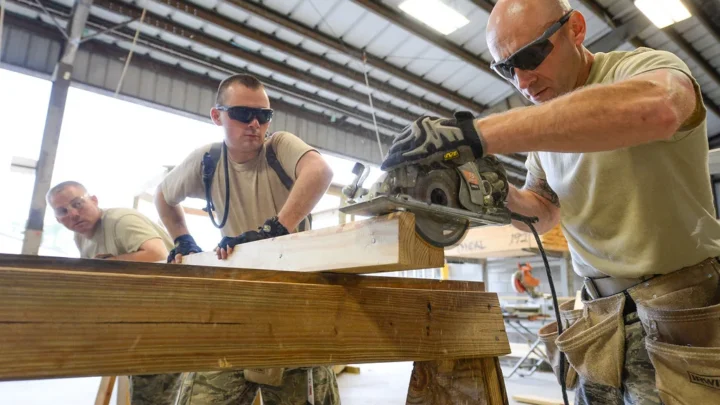
A durable construction saw comes down to the blade material, the guard and anti-kickback parts, and adjustments that stay put. Here is what each one does and where it matters.
Blade quality changes both how quickly a saw moves through wood and how smooth the cut edge looks. Here is what drives each effect and how to match a blade to your work.