The best place to buy woodworking tools depends on what you’re buying. A home center is your best bet for common power tools you need today, like a circular saw or a drill, because you can walk in and leave with one. For hand tools such as planes and chisels, or when you want advice from someone who actually builds furniture, a specialty woodworking store is the better fit. Learn more in Best Glue for Woodworking: 5 Wood Glues for Indoor and Outdoor Jobs.
If price matters most, online retailers and used or refurbished sellers usually give you more options and lower costs. The trade-off is that you can’t always hold the tool first.
Below, you’ll see how each type of seller compares on price, returns, warranty and hands-on testing. A quick table then matches common purchases to the right store so you spend your money where it counts.
Home centers for everyday power tools
A home center is the easiest place to buy a common power tool when you want to see it, hold it and take it home the same day. Think of a cordless drill, a circular saw or a random orbit sander: the kind of tool most DIYers reach for first.
Why home centers make the list
The biggest advantage is hands-on shopping. You can pick up two drills side by side and feel which one balances better in your hand, or check whether a circular saw’s handle and trigger are comfortable before you commit. Weight and grip are hard to judge from a product photo, and they matter more than a spec sheet once you’re making 30 cuts in an afternoon.
Returns are also simple. If a sander leaves swirl marks you don’t like or a saw feels underpowered on your first project, you can usually carry it back to the service desk without packing a box or arranging shipping. Ask about the return window at checkout so you know how long you have to try the tool at home.
Where they fall short
The selection leans toward mainstream brands. You’ll find plenty of drill kits, miter saws and battery platforms, but fewer specialty items like quality hand planes, fine-tooth Japanese saws or premium blades. If your project calls for one of those, you’ll likely need to shop elsewhere.
Expert help is limited too. Staff cover a huge store, from plumbing to paint, so the person in the tool aisle may not know which blade gives a cleaner crosscut in plywood or how two router models differ in practice. Come in with a short list of what you need rather than relying on in-store advice.
Key points at a glance
-
You can handle and compare tools before buying
-
Returns are quick and done in person
-
Stock focuses on popular brands and everyday power tools
-
Specialized woodworking tools are harder to find
-
Staff advice is general, not woodworking-specific
Who it suits
Home centers fit beginners and homeowners buying their first few power tools, and anyone who needs a replacement tool today to finish a job. They’re less helpful if you’re building out a hand-tool kit or want detailed advice on fine woodworking.

Specialty woodworking stores for advice and quality
A specialty woodworking store is the place to go when you want expert advice and better hand tools, and you’re willing to pay a bit more for both. These shops sell to people who build furniture, cabinets and boxes, so the shelves and the staff are geared toward that work.
The biggest draw is the people behind the counter. Staff at these stores often woodwork themselves, so you can ask a specific question like “Which chisel width do I need for 3/4-inch dovetails?” and get an answer from someone who has cut them. That kind of help is hard to find in a general hardware aisle.
What you’ll find on the shelves
Specialty stores carry the tools that general retailers stock lightly or skip:
-
Hand planes, from block planes for trimming end grain to bench planes for flattening boards
-
Bench chisels and mortise chisels in a full range of widths
-
Premium saw blades, including blades made for specific cuts like ripping or fine crosscuts
-
Sharpening gear, clamps and joinery accessories that pair with these tools
If your project calls for hand-tool work, this selection saves you from piecing a kit together from several sources.
Try before you buy
Many specialty stores hold demos and classes, which give you a chance to use a tool before you commit to it. You might take a hand-plane class and learn whether a low-angle plane suits the figured hardwood you work with, or watch a demo and see how a router jig handles a joint.
This hands-on time is worth the most for tools that depend on feel, such as planes and chisels. A plane that looks right on paper can feel awkward in your hands, and a class shows you that before you spend the money.
The trade-off: price
Expect to pay more here. Specialty stores often charge higher prices than home centers or online sellers, because you’re paying for curated stock, knowledgeable staff and the chance to test.
Who it suits
This option fits you if you’re buying your first quality hand tools, upgrading to premium blades, or want guidance from someone who has done the work. If you already know the exact model you want and price is your main concern, you can still learn in the store and then shop around.

Online retailers for selection and price
Online retailers give you the widest selection and the easiest way to compare prices, which makes them a strong pick when you already know the tool you want. You can line up the same router or set of bar clamps from several sellers in a few minutes and see which one has the lower price, free shipping or a bundle with extra blades or bits.
Why online stores make the list
Selection is the main draw. A home center might stock a few brands of random orbit sander, while an online store can list dozens, plus specialty items such as Japanese pull saws, dado blade sets or replacement parts that local shelves rarely carry.
Price comparison is the other advantage. If you have settled on a specific model, searching the exact model number shows you every listing side by side, so you buy on price, shipping cost and delivery time without driving from store to store.
The tradeoffs to plan for
You can’t hold the tool before it arrives. You won’t know whether a drill feels balanced in your hand or a miter saw’s handle sits at a comfortable angle until the box is on your porch.
That makes the return policy part of the price. Before you order, read how many days you have to return an item and who pays return shipping. Sending back a heavy item like a benchtop planer at your own cost can wipe out whatever you saved.
It also matters who is selling. Large marketplaces mix the retailer’s own stock with third-party sellers, and a manufacturer’s warranty usually depends on buying from an authorized seller. Look for the seller’s name on the listing, and if you aren’t sure, the tool brand’s website typically lists its authorized dealers.
Key points
-
Online stores have the widest range of brands, models and hard-to-find accessories
-
Searching by exact model number makes price comparison quick
-
You can’t test a tool before you buy, so the return window and return shipping cost count
-
Buy from an authorized seller so the manufacturer’s warranty applies
Who it suits
Online buying works best when you know exactly what you want, perhaps after handling the tool at a local store or reading reviews. It suits budget-minded buyers and anyone hunting for niche tools. It’s a weaker choice if you’re new to woodworking and still figuring out which tool fits your projects.
Used and refurbished tools for the tightest budgets
Buying used is the cheapest way to build a tool kit, and it works best for hand tools you can look over in person. A secondhand hand plane, chisel set or handsaw often costs a fraction of a new one and still does the job once it is cleaned and sharpened. Power tools can be good deals too, but they need a closer look before you hand over cash.
-
Older hand tools are often still usable. A plane body or chisel is mostly solid steel or iron, so a bit of surface rust or a dull edge is usually fixable with sharpening and cleanup.
-
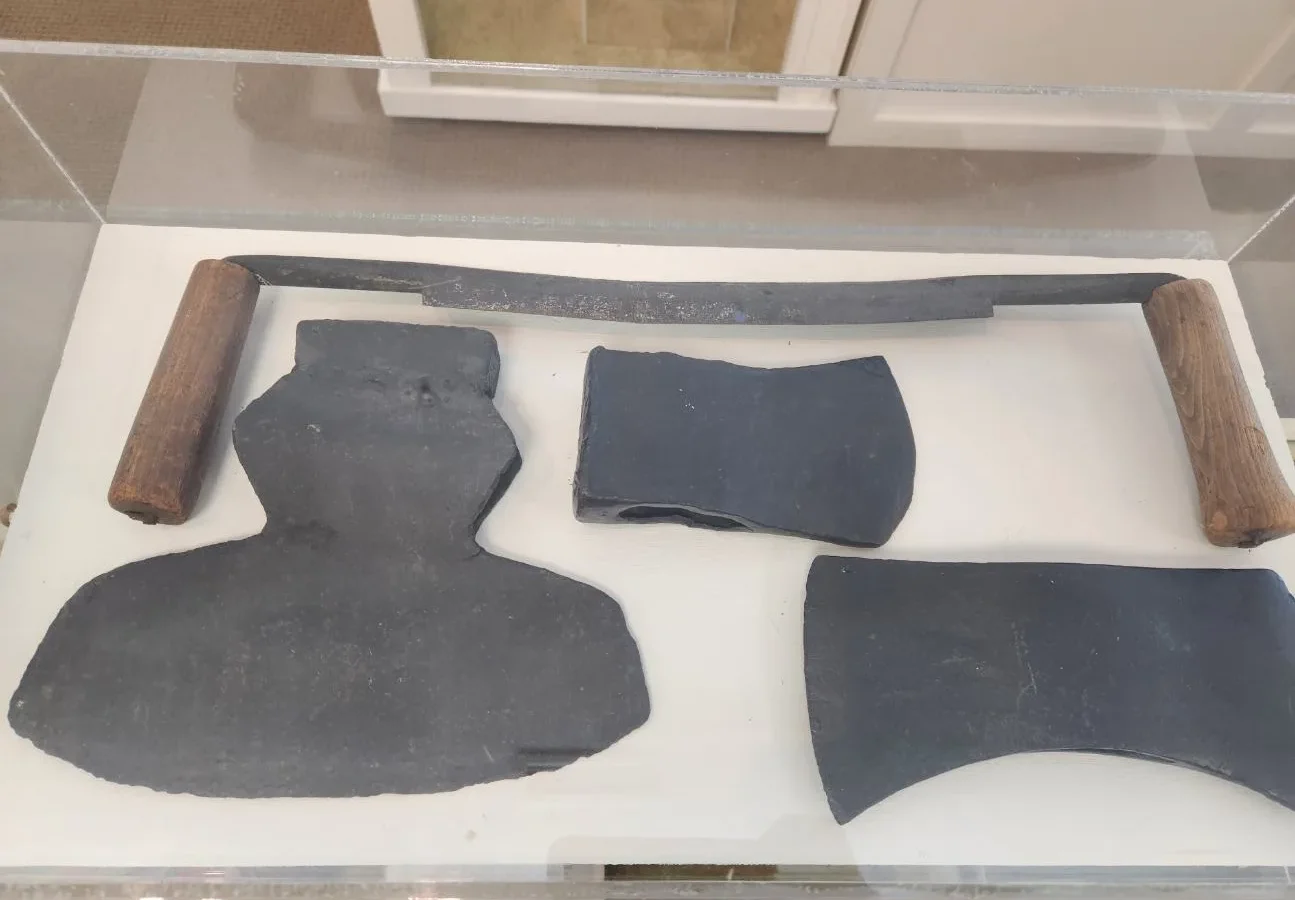
Collectors value traditional tools, which can push up prices on some pieces. One private collection built in Warsaw from 1982 to 2020 grew to over 400 woodworking tools from Poland, Germany, Austria, England, France and the United States. [1] For you, that means a sought-after vintage plane may cost more than a plain user-grade one that cuts just as well.
-
Refurbished power tools may come with a shorter warranty than new ones, so ask the seller how long coverage lasts before you compare prices.
-
Used and refurbished tools suit hobbyists on a tight budget, beginners who want to try a tool before investing, and anyone comfortable doing a little restoration.
What to inspect before you pay
Start with the cord on any power tool. Look along its full length for cracks, cuts, tape repairs or exposed wire, and check that the plug prongs are straight.
Next, listen to the bearings. Run the tool if the seller allows it, then spin the arbor or shaft by hand with it unplugged: grinding, rattling or side-to-side play means worn bearings and a repair bill.
Finally, look at the blade. Missing carbide teeth, a wobble when it spins or burn marks suggest it needs replacing, so add that cost to the asking price.
Safety checks on used power saws
Check the guards and switches on any used saw before you plug it in at home. The blade guard should move freely and snap back into place, and the riving knife or splitter should be present if the saw came with one. The power switch should turn the saw on and off cleanly every time, with no sticking or delay. If a guard is missing or a switch is unreliable, pass on the saw or budget for factory replacement parts before you use it.
Which store fits the tool you are buying?
Match the store to the tool: go where you can stand next to a big saw before you buy it, and order the things you use up (blades, sandpaper, glue) online in quantity. The table below shows how the four main options compare in general terms.
|
Store type |
Price |
Returns |
Warranty |
Hands-on testing |
|---|---|---|---|---|
|
Home center |
Middle of the road, frequent sales |
Easy, walk it back to the counter |
Full manufacturer warranty |
Handle tools on the shelf, few demos |
|
Specialty woodworking store |
Often higher |
Usually in person |
Full manufacturer warranty |
Demos and staff who use the tools |
|
Online retailer |
Easiest to compare and find low prices |
Ship it back, sometimes at your cost |
Valid when bought from an authorized seller |
None before delivery |
|
Used or refurbished |
Lowest |
Often none on private sales |
Shorter or none |
Inspect in person if local |
Home centers and specialty shops win when you want to touch the tool and return it without packing a box. Online sellers win on price and selection, and used gear wins on cost if you can accept less protection.
Big stationary saws: see one in person
For a table saw, bandsaw or miter saw on a stand, try to see the actual model before you buy. You want to check things a product photo hides, like how smoothly the fence locks, how easy the blade height crank turns and whether the table surface is flat.
A cabinet saw can weigh several hundred pounds, so sending one back is a hassle. Seeing it in a store, at a demo day or in a friend’s shop first saves you from a return you would dread. If the best price turns out to be online, you can still buy there once you know the model fits your space and your hands.
Blades and consumables: buy online in bulk
Saw blades, router bits, sandpaper, glue and finishing supplies are where online buying pays off. You already know what you need, so there is nothing to test, and multi-packs bring the cost per item down.
For example, sanding discs in 50- or 100-packs in the grits you use most (say 120 and 180) mean you never stop a project to drive to the store. The same goes for a few spare blades for your circular saw or jigsaw. Keep an eye on shelf life for glue, though, and buy only what you will use before it thickens.
Putting your tool shopping plan together
Mix your sources: handle a tool in person, then buy it wherever the total cost and return terms work best for you. Pick up a random orbit sander at a home center or a specialty shop to feel its weight and grip, and only then look up its price at a few online sellers before you order. It also helps to read Best Place to Get Wood: 5 Sources Compared for Your Project.
For hand tools, used is often the smarter buy, as long as you can inspect the tool yourself first. Once a tool arrives, file the receipt in a folder or snap a photo of it, and register the warranty with the maker right away. Your next step is to list the next two tools you need and shop each one this way.