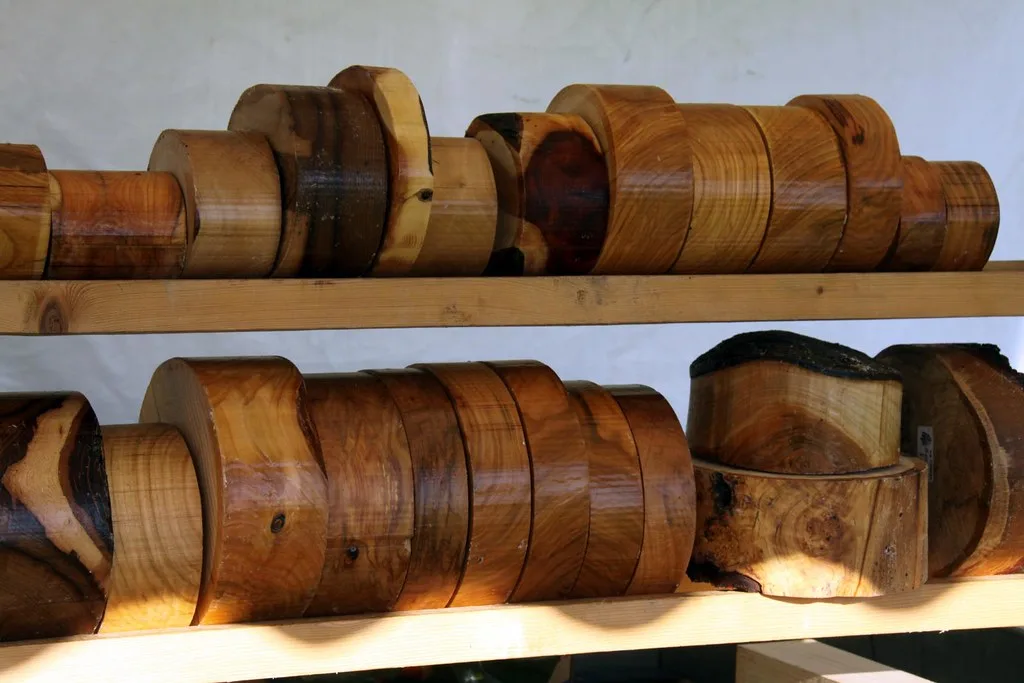
For quality wood, the best place to get wood is usually a local sawmill or lumber dealer; for speed and convenience, a big box home improvement store is hard to beat. Neither wins every time, because the right source depends on the species you need, the quality your project demands, and what you’re building.
Sawmills often carry a wide variety of species, including specialty or hard-to-find ones, and can sell high-quality wood at a more affordable price because they produce it cost-effectively. [1] Species matters for your budget too: softwoods such as pine and cedar are relatively inexpensive and easy to work with, while hardwoods such as oak and maple cost more but hold up better in furniture and cabinetry. [2]
Below, you’ll see how sawmills, specialty dealers and big box stores compare, how to pick straight boards, and which source fits your build.
Local sawmills
Local sawmills are one of the best places to find high-quality wood, especially when you want a particular species or more boards to choose from than a home center stocks. [1] Because a sawmill cuts logs into lumber itself, you’re buying closer to the source, and that shows up in both selection and price.
Why sawmills make the list
The biggest draw is variety. Sawmills offer a wide range of wood species and often have access to specialty or hard-to-find varieties. [1] For example, if your plan calls for a local hardwood that never shows up in a big store’s lumber aisle, a nearby mill is the first place worth calling.
Price is the second reason. Sawmills produce wood in the most cost-effective way, which can make high-quality lumber more affordable. [1] That matters when a project eats up a lot of board feet, like a dining table top or a set of matching chairs.
-
Species selection: wide variety, including specialty and hard-to-find woods [1]
-
Cost: efficient production can mean better prices for good wood [1]
-
Quality focus: a strong option when the final look and lifespan of the piece matter
-
Buying style: expect to talk with the people who cut the wood instead of grabbing boards off a rack
What to weigh when you buy
Species, durability, and sustainability are the key factors when you look for high-quality wood. [1] At a sawmill, you can ask about all three directly: which species hold up best for your use, and where the logs came from.
That conversation is useful. The wood source you choose can make a significant difference in your project’s overall quality, longevity, and sustainability. [1] A mill that harvests nearby can usually tell you more about its logs than a store stocking boards shipped from far away.
Who sawmills suit best
Sawmills are the best fit for furniture and fine woodworking projects. If you’re building a bookcase, a hall table, or anything where the grain is part of the design, picking your own boards at a mill gives you more control over the result.
They’re less suited to a quick weekend repair where any straight 2×4 will do. Save the trip for projects where species and appearance really count.
Specialty lumber dealers and wood sheds
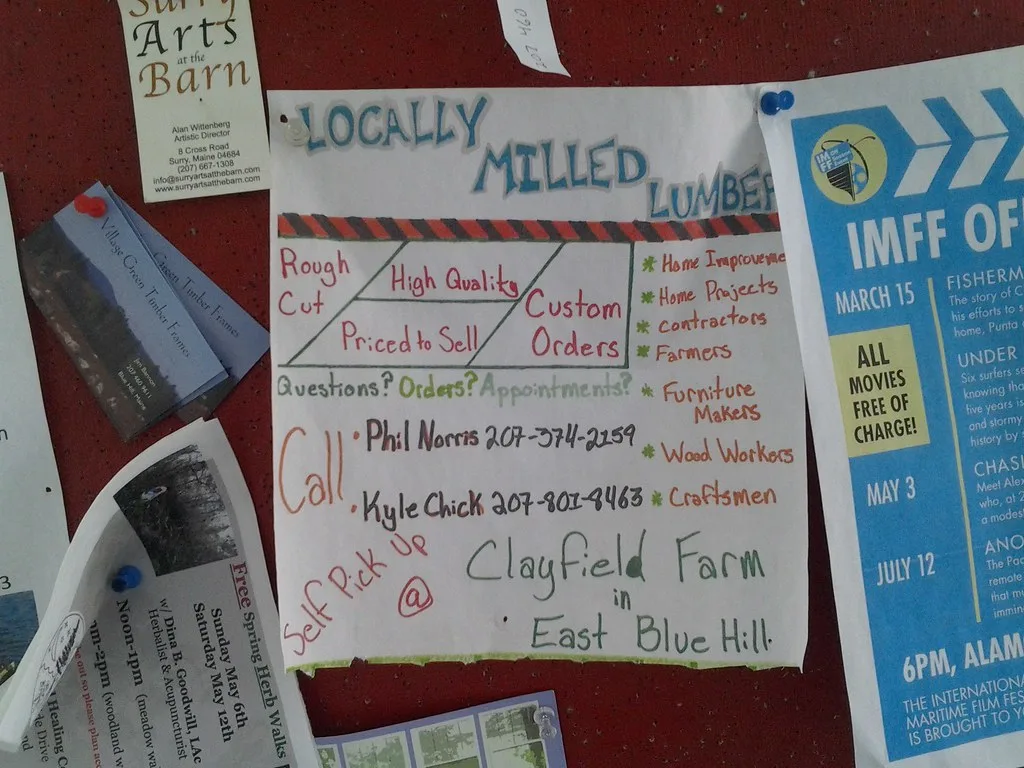
Specialty lumber dealers sell wood picked for quality, not just volume, which makes them the place to go when the boards themselves are part of the look. Think figured maple for a tabletop or a matched set of walnut boards for a dresser. Many started small and grew out of one woodworker’s search for better lumber.
What a specialty dealer looks like
The Wood Shed in Southern Ontario is a good example of how these businesses start. Owner James DeBoer began harvesting from his own woodlot in the late 1980s while searching for the “perfect piece of lumber,” and his chicken shed eventually turned into a wood shed. [3] Word spread that he sold quality wood at very reasonable prices that buyers couldn’t find anywhere else. [3]
Over time the shop added domestic and imported lumber, sheet goods and specialty products. [3] It focuses on rough-sawn domestic species like maple, oak, cherry, walnut and ash, plus figured lumber such as bird’s eye and curly maple. [3] It also stocks exotics for furniture makers, including Zebrawood, Wenge, Purpleheart, Yellowheart, African Mahogany and Sapele. [3]
“Rough-sawn” means the boards come straight from the saw without planing. You get more thickness to work with and can see the real grain, but you’ll need to plane the boards yourself or pay the shop to do it.
Why it earns a spot on the list
-
Selection: You’ll find species and figure that general retailers rarely carry.
-
Hands-on browsing: Many shops are self-serve, so you can pull and compare boards yourself. The Wood Shed keeps a relaxed, self-serve “let’s-talk-wood” atmosphere. [3]
-
Advice: Staff who know wood can help you match a species to your project.
-
Live edge and slabs: Some dealers carry premium live edge lumber for benches and tables. [3]
Who it suits
A specialty dealer is worth the drive when you’re picky about color, grain or figure. That covers heirloom furniture, a jewelry box from an exotic species, or a live edge coffee table. Bring your cut list and plan to spend an hour browsing.
It’s less practical for 2×4 framing or a quick repair. Many dealers will talk wood with you by phone or online, but seeing the boards in person is the best way to shop. [3]
Big box home improvement stores
Big box home improvement stores are the quickest, most affordable way to get wood when you need it this weekend. They earn a spot on this list for convenience: you can roll a cart down the aisle, grab what you need without spending much, and start the project the same day. [4]
Who it suits
This option fits jobs where speed and price matter more than perfect boards. Think fixing a splintered deck board, framing a backyard pergola, or a quick repair around the house. [4] Contractors use big box lumber too. One builder with over 20 years of experience still uses Home Depot’s Black Label pine boards for framing. [5]
There is a limit on volume. General contractor Jason Pietruszka advises that if you are buying more than a quarter of a pallet, you are better off going to a lumber yard. [4] For a single deck repair, that won’t matter. For a full deck or a large build, it means a lumber yard is the smarter stop.
The catch: warped stock
Quality is the most common complaint. One shopper looked through a local Home Depot and found that all the plywood was warped, some badly enough to curve around a corner. [5] Another buyer noted that big box lumber is not the best, but sometimes you find a gem in the pile. [5]
Why does this happen? Stores often stack sheets and boards in ways that let them bend over time. A supplier that stacks plywood on edge keeps it from bending, though that same shop charges 25% more than Home Depot and Lowe’s. [5] So you’re trading a lower price for more sorting work.
Plan time to sort
Go in expecting to dig through the stack. The same experienced builder said you can spend hours just sorting to find a good straight board. [5] Pietruszka’s quick rule is to check for lumps or curves and only buy the light and dry pieces. [4]
Key points at a glance:
-
Best for: decks, pergolas and quick repairs on a budget
-
Main benefit: convenience and same-day pickup
-
Main drawback: warped boards and bowed plywood are common
-
Plan for: extra time at the rack to pick usable pieces
-
Skip it when: you need more than about a quarter of a pallet
How do you pick straight boards at the store?
Picking good boards comes down to looking before you load: sight down every board, check sheet goods for curve, and match the species to the job. A few minutes of sorting at the rack saves you from fighting crooked stock at home.
Sight down each board
Hold one end of the board up near your eye and look along its length like you’re aiming down a barrel. You’re looking for three problems: a bow (the face curves like a ski), a crook (the edge curves sideways), and twist (the corners don’t sit in the same plane). Set a twisted board down flat on the floor and it will rock on two corners.
One general contractor’s advice for big box lumber is to always check for lumps or curves and to only buy the light and dry ones. [4] A heavy board usually still holds moisture, so it can keep moving as it dries in your garage. If a 2×4 looks fine but feels noticeably heavier than its neighbors, put it back.
Expect to dig. A builder with over 20 years in the trade said you can spend hours sorting to find a good straight board at the big stores. [5] Restack the pile neatly as you go, and grab a couple of extra boards if the stack is mostly crooked.
Check plywood for curving
Plywood can warp badly. One shopper found plywood so bowed it would curve around a corner. [5] Before you buy, stand the sheet on edge and look along its long edge, then lay it on a flat cart and see whether the middle or corners lift.
Where sheets are stored matters. One supplier stacks its plywood on edge so it does not bend, and charges 25% more than Home Depot or Lowe’s. [5] That markup can be worth it when you need a flat top for a cabinet or benchwork.
Choose the species for the job
Pick wood by what the project has to do. Softwoods like pine and cedar are inexpensive and easy to work, but they aren’t ideal for projects that need a lot of strength or durability. [2] Hardwoods like oak and maple cost more and hold up better, which suits furniture and cabinetry, though they are harder to work for beginners. [2] Exotic woods like mahogany and teak cost the most and are used for a unique look, such as instruments or fine furniture. [2]
Which source fits your project?
Match the source to the job: big box stores suit quick softwood framing and outdoor builds, while sawmills and specialty dealers suit furniture and hardwood projects where species and quality matter most. The table below shows how the three compare on what usually decides the trip.
|
Criteria |
Local sawmill |
Specialty dealer |
Big box store |
|---|---|---|---|
|
Best for |
Furniture, fine projects, hard-to-find species |
Quality-focused projects, eco-minded builds |
Decks, pergolas, quick repairs |
|
Species choice |
Wide variety, often specialty varieties |
Focused selection, often sustainably sourced |
Mostly common softwoods |
|
Price |
Cost-effective for high quality |
Varies by stock |
Low cost per trip |
|
Convenience |
Lower, may need a drive |
Lower, may need a drive |
High, open weekends |
|
Large orders |
Good fit |
Good fit |
Better to go to a lumber yard |
Sawmills offer a wide variety of species and often carry specialty or hard-to-find varieties, at a more affordable price for the quality. [1] Suppliers that specialize in sustainable wood often source from responsibly managed forests. [1] Big box stores win on convenience: you can roll a cart down the aisle and start a project the same weekend. [4]
Rough framing and outdoor builds vs. furniture
For a deck repair, a backyard pergola or garage shelving, the big box store is usually the practical pick. These jobs tolerate a few knots, and you can grab what you need without a special trip.
Order size changes that math. One general contractor advises that if you are buying more than a quarter of a pallet, you are better off going to a lumber yard. [4] So if your deck needs a full stack of boards, call a yard or mill before you load the truck.
Furniture is different. A dining table or bookcase shows every board, so the wider species choice at a sawmill or dealer pays off.
Softwood vs. hardwood needs
Softwoods like pine and cedar are inexpensive and easy to work with, but they are not as durable as hardwoods. [2] That makes them a fine fit for shop projects, painted pieces and many outdoor builds you can source at a big box store.
Hardwoods like oak and maple cost more and hold up better, which makes them ideal for furniture and cabinetry. [2] They are also harder to work, so a beginner may want to start with pine before buying oak from a mill or dealer. [2]
The bottom line on buying wood
Buy at a big box store when speed and price matter most, and go to a sawmill or lumber dealer when the wood itself has to be good. A big box run is hard to beat for a weekend deck fix or a pergola, and you can be cutting the same afternoon [4]. For furniture and fine work, local sawmills give you more species to choose from, including hard-to-find varieties, often at a fair price [1].
Your next step is to match the source to the job you have planned this month. If it’s a furniture build, pick your boards first, then choose a glue that suits your joints, which the best wood glue for furniture guide covers in detail.