Jobsite Saw Setup Time: Which Saw Options Cut It Down
Portable table saws and miter saw cut stations cut the most setup friction on site. The right pick depends on how often you cut and how much room you have.
Portable table saws and miter saw cut stations cut the most setup friction on site. The right pick depends on how often you cut and how much room you have.
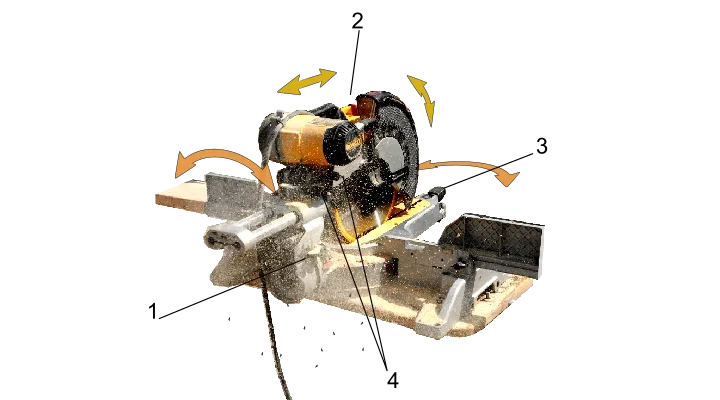
Repeatable cuts come from a few features: a sliding or stable head, positive angle settings, and the right blade for the material. This guide explains what each one does and when it matters.
A miter saw is usually the best choice for trimming baseboards and crown molding because it is designed for accurate cuts at different angles. Choose a model with enough capacity for your trim and support long…
Bevel stops, laser guides, and rails address different parts of a cut. Compare their roles and limitations to choose the right accuracy aid for your project.
Inaccurate cuts often come from a bowed fence, an out-of-square blade, or setup and workpiece issues. Use these checks to isolate the mistake and make a targeted correction.
The right accessories can help you guide a saw, hold stock consistently, and repeat a cut with less guesswork. Choose them by the saw you own and the kind of accuracy your project needs.
A properly aligned blade helps your miter saw make accurate cuts. Use a square to check its relationship to the table and fence, then confirm the setup with a test cut.
For most home projects that need repeatable crosscuts and angled cuts, a miter saw is the practical first choice. See when a sliding or compound model—or a circular saw—fits better.
A miter saw is useful when you need accurate, repeatable crosscuts and angled cuts in trim, molding, and similar stock. See what it does well, where it falls short, and how to get cleaner results.
The RIDGID R48607B is a 7-1/4-inch, dual-bevel sliding miter saw weighing 24 pounds, with a stated 8-1/4-inch crosscut capacity. Compare those details with the Bosch GCM18V-08N and your battery setup before choosing.